Social Value & Sustainability: 2026 - 2030

At Griffiths, we’re striving to become a more responsible business, minimising our impact on the environment, helping to address the construction skills shortage and using our in-house resources and expertise to maximise our benefit to local communities.

In 2026, we launched our new Social Value and Sustainability Strategy which aligns our objectives to the UN Sustainable Development Goals (SDGs), PPN002: The Social Value Model, and the Well-being of Future Generations (Wales) Act 2015.

Our strategy consists of 5 key themes and 15 priorities which will ensure social value & sustainability is embedded across all of our projects, frameworks, offices and depots. Our people will play a crucial role in the delivery of our strategy and over the next 4 years they will be empowered to identify opportunities to enhance the environment and engage with the local community surrounding our projects.


EMPLOYMENT SKILLS & EQUAL OPPORTUNITY

ENVIRONMENT RESPONSIBLITY

PROSPEROUS ECONOMIES

HEALTHY
COMMUNITIES

FUTURE
TALENT

Measurement & Reporting

We measure the social impact we enable through our projects, offices and depots using the Thrive social value measurement tool and the Impact Evaluation Standard.

Thrive is an online software platform which enables us to track, audit and report all of our social value and ESG activities to clients and stakeholders.

The platform helps us to drive continuous improvement by setting project-specific social value commitments and then tracking and valuing them in real time.

The Impact Evaluation Standard (IES) is a proprietary framework designed to help UK organisations measure and value their social value activities.

The framework is a collection of 149 metrics which have been developed by industry experts in accordance with the UK government’s Green Book Guidance and which incorporates and builds upon the UK government’s Social Value Model.

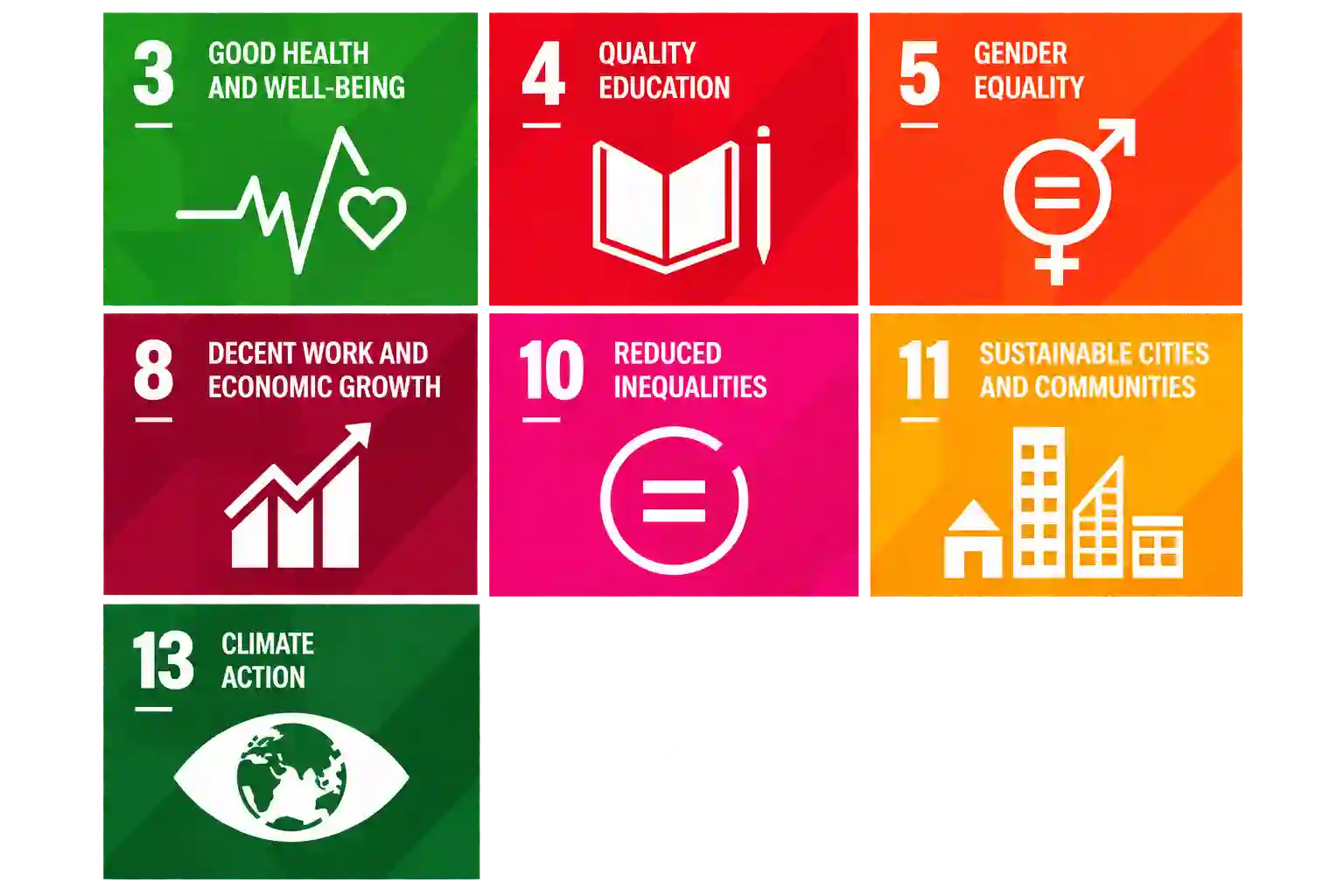
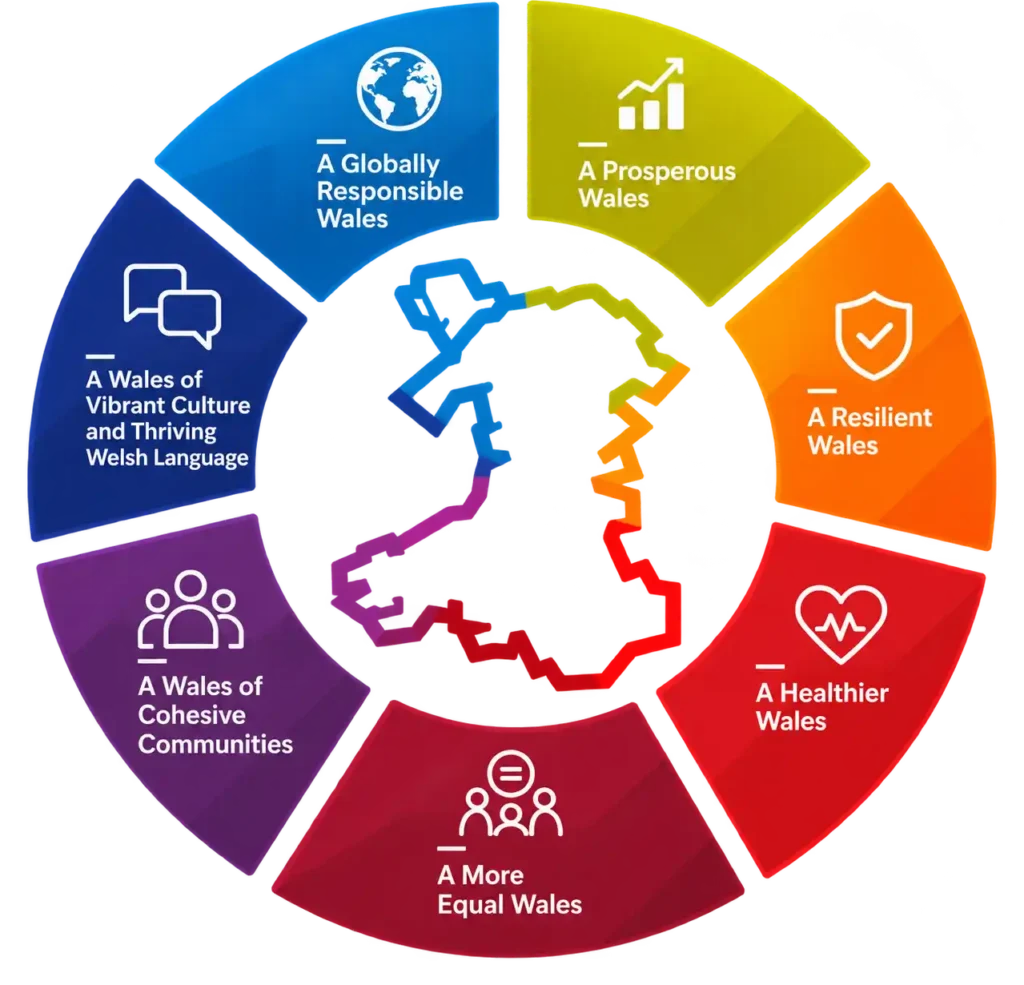
We have also mapped the themes and priorities of our social value strategy to 7 of United Nations Sustainable Development Goals and all of the well-being goals of the Well-being of Future Generations (Wales) Act:

Our
Themes & Priorities

EMPLOYMENT SKILLS
& EQUAL OPPORTUNITY

Local employment, skills development and increasing the diversity of the civil engineering and construction workforce is central to our new strategy. By investing in local people, we will strengthen local economies, build a directly-employed skilled and qualified workforce, and create a sustainable and diverse talent pipeline that will help to address industry skills shortages

Our Priorities:

  • Local workforce: Sustain a local workforce and create long-term employment opportunities for people who live near our projects.
  • Training and development: Train, develop and support the growth of our people.
  • Equality, diversity and inclusion: Increase workforce diversity by attracting, retaining and developing people facing barriers to employment or underrepresented in construction, such as women, people with disabilities, long-term unemployed, service leavers, and care leavers.

FUTURE TALENT

The widening construction skills gap presents a growing risk to our business. To help close the gap and attract the future engineers, quantity surveyors, skilled ground workers and plant operatives, we are partnering with schools, colleges and universities to promote the exciting range of careers in our industry and make these opportunities accessible to everyone – irrespective of background or personal circumstances. Our work in primary and secondary schools aims to inform and engage young people at important milestones in their education. We then offer apprenticeships, T-levels placements and positions on our ICE/CICES training programmes to ensure our future talent are fully supported to reach their full potential

Our Priorities:

  • Educational engagement: Engage with schools, colleges and universities to embed STEM subjects in the curriculum and raise the profile of careers in construction and engineering.
  • Talent pipeline: Create accessible employment and training opportunities that enable young people to reach their potential.
  • Support NEETs and Care leavers: Remove the barriers faced by NEETs and care leavers and support the 5 key outcomes of the Care Leavers Covenant.

ENVIRONMENT RESPONSIBLITY

We recognise the construction industry has a huge impact on the natural environment and climate change. This is why we are collaborating across our value chain to minimise waste, reuse and recycle, and reduce the whole-life carbon of our projects. We are collaborating with our Clients and supply chain to embed PAS:2080 principles from project inception and throughout construction and our in-house recycling capabilities provide a closed-loop recycling process which is reducing our demand on virgin aggregates. Our community-led approach means we also identify valuable environmental assets surrounding our projects and partner with local experts to enhance green spaces and boost local biodiversity.

Our Priorities:

  • Reduce carbon and utilise resources efficiently: Collaborate with our value chain to reduce the whole life carbon of our projects and embed circular economy principles.
  • Enhance the local environment: Enhance community green spaces and increase local biodiversity.
  • Environmental Awareness: Raise awareness of environmental issues with employees and suppliers through training and development.

PROSPEROUS ECONOMIES

Civil engineering projects are often catalysts for local economies. As well as improving local infrastructure, we aim to help local businesses grow, support local employment and create an economic multiplier effect whereby investment is retained locally. We also understand that small and medium enterprises (SMEs) and Voluntary, Community and Social Enterprises (VCSEs) are the backbone of the UK economy and our subcontract opportunities must be attractive and accessible to these businesses. By working collaboratively from project conception, Griffiths and our value chain are better placed to innovate and deliver lower cost, lower carbon and higher quality projects.

Our Priorities:

  • Local spend: Maximise spend with local suppliers and retain wealth created locally.
  • Support SMEs and VCSEs: Support the growth of SMEs and VCSEs and provide fair access to opportunity.
  • Supply chain innovation: Encourage supply chain innovation to deliver lower cost, lower carbon and higher quality goods and services.

HEALTHY
COMMUNITIES

Looking after our people and engaging with the communities in which we work is central to our approach. A fit and healthy workforce is more engaged and productive and is key to our directly employed/self-delivery model. Healthy communities lead to smoother projects, stronger relationships, and more sustainable infrastructure, leading to long-term value for both society and Griffiths. Our approach to community engagement is centered around utilising our plant and equipment and the vast skills and experience of our people – all of whom are provided one paid days leave to support local community projects.

Our Priorities:

  • Look after our people: Look after the mental and physical health of our people.
  • Support local communities: Assess and respond to the individual and specific needs of the communities in which we work and provide the support they need to thrive.
  • Community partnerships: Identify and partner with community groups that support community integration, address domestic abuse, reduce crime and mitigate the risks of modern slavery.

This Website Uses Cookies

We use cookies to personalize content, provide social media features, and analyze our traffic. We also share information about your use of our site with our analytics partners. You can change your preferences at any time. For more information, please see our Privacy Policy and Cookie Policy. Privacy Policy Cookie Policy